Fruit and Vegetable Embroidery Design
First Impression: Bright, Friendly, and Instantly Recognizable
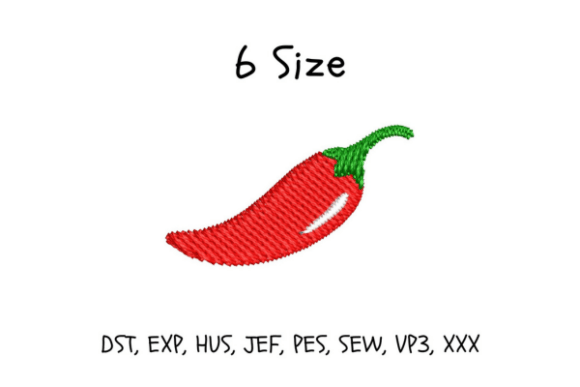
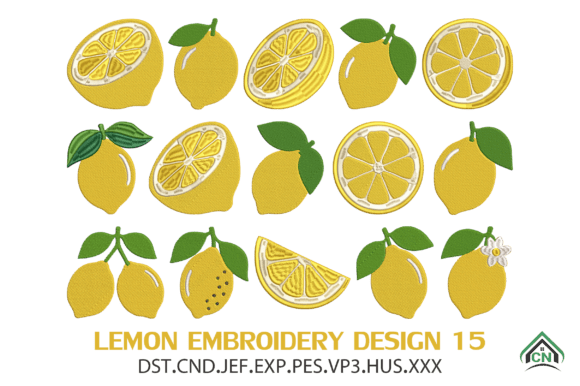
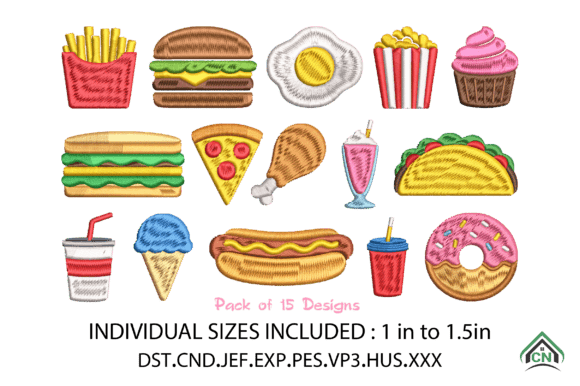
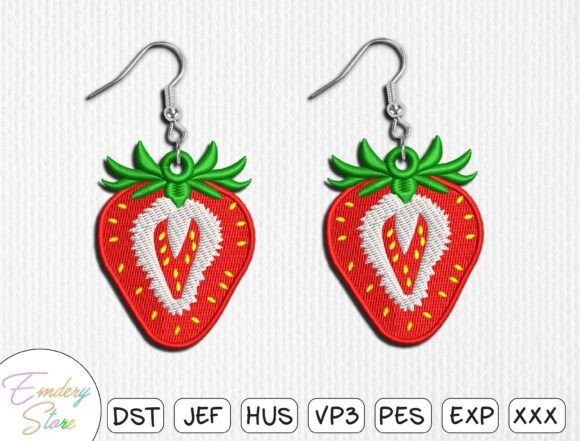
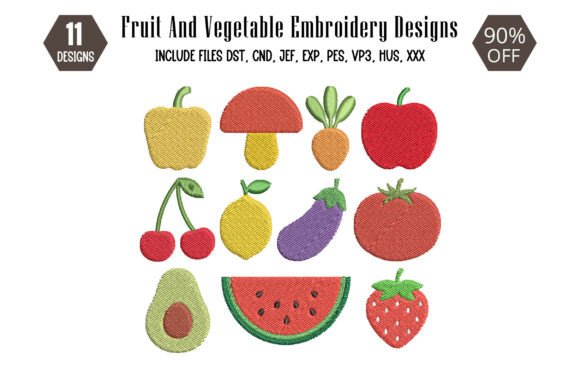
As an embroidery designer who’s prepped over 200 craft fair booths, my first thought when I saw Fruit and Vegetable Embroidery Design was: “This will stop people mid-aisle.” It reads as cheerful, approachable, and authentically handmade—not overly polished or sterile. It leans into a modern-farmhouse-meets-kid-friendly aesthetic: bold enough for visual impact but soft enough to feel warm and inviting. The phrase “adorable” in the description isn’t marketing fluff—it’s accurate. These aren’t hyper-realistic botanicals; they’re stylized, friendly, and full of personality. That’s exactly what sells at local markets, where shoppers choose items that spark joy, not just utility.
Where This Design Shines on Craft Fair Products
Tote bags: A standout. Fruit and Vegetable Embroidery Design works beautifully centered on natural canvas or linen totes—large enough to read from six feet away, yet balanced enough not to overwhelm. Customers instantly grasp the theme, and it signals “fresh,” “wholesome,” and “thoughtfully made.”
Aprons and tea towel embroidery: Ideal for top-corner placement or along the hem. The 11-piece bundle gives flexibility—you can embroider a single strawberry on a chef’s apron pocket or scatter three veggies across a flour-sack towel. Because the designs are cohesive in line weight and scale, they read as a collection, not random clipart.
Embroidered patches and fabric pouches: High-performing. These small-format items benefit from clear silhouettes and confident outlines—traits this bundle delivers. A cherry or carrot patch sewn onto a denim jacket or drawstring pouch adds instant charm without requiring precision stitching.
Pillow covers and market bags: Strong focal point potential. When scaled up, the fruit and vegetable motifs hold detail well—no blurring or thread crowding (assuming proper digitizing). They add texture and narrative to neutral linens, elevating a simple pillow cover into a giftable handmade product.
Caps and curved surfaces: Use caution. While some simpler motifs (like a round apple or pear) translate cleanly to front-panel cap embroidery, more intricate pieces (e.g., leafy kale or clustered grapes) may lose definition on tight curves. Always test stitch one motif on a scrap cap before committing to batch production.
What Makes This Bundle Sell—Beyond Cuteness
It’s not just about charm—it’s about clarity. At a craft fair, you have under three seconds to communicate value. Fruit and Vegetable Embroidery Design achieves that with strong shapes, open negative space, and intuitive color groupings (even if thread colors aren’t specified, the design suggests high-contrast pairings—think lime green on navy, tomato red on cream).
It photographs exceptionally well for Etsy listings and printable mockups. Clean lines render crisply in natural light, and the food theme invites lifestyle staging: a lemon-embroidered tea towel draped over a ceramic bowl, a peach-stitched pouch beside fresh fruit. That visual storytelling converts browsers into buyers.
For digital sellers and small shop owners, this bundle offers repeatable versatility. You’re not locked into one motif—you can mix and match across product types while maintaining brand consistency. An Etsy seller could launch a “Farmstand Collection” using only these assets, then expand with seasonal add-ons later.
Practical Production Notes Every Embroiderer Should Check
- Stitch density matters. Review each file for dense fill areas—especially in leaves or textured skins (like kiwi or eggplant). Overly dense stitching can pucker lightweight fabrics or require extra stabilizer on tea towels with heavy fabric texture.
- Small details need scrutiny. Tiny stems, seeds, or facial features (if any design includes playful expressions) may vanish on dark fabric or at under-3” hoop sizes. Always run a test stitch on your target fabric—especially textured towels or thick denim.
- Hoop size and stabilizer choice are non-negotiable. Some motifs may push standard 4x4 hoops. If your machine supports larger formats, confirm which designs fit your most-used hoop. Pair with tear-away stabilizer for smooth fabrics, cut-away for knits or stretchy market bags.
- Thread contrast is your silent salesperson. On cream or oat-colored linens, bright thread colors pop—but on black or charcoal, you’ll need metallic or neon threads to preserve legibility. Don’t assume default palettes work universally.
- Commercial licensing is essential. Since this is positioned as a craft fair product and commercial embroidery asset, verify the license permits finished-product resale—not just personal use. Many digital embroidery file sellers restrict mass production or third-party fulfillment.
Final Thoughts for Handmade Sellers
Fruit and Vegetable Embroidery Design doesn’t just decorate—it connects. It taps into real cultural moments: farm-to-table pride, kitchen confidence, garden-to-table joy, and mindful consumption. That resonance shows up in booth traffic: parents pause for the apple, chefs smile at the herb bundle, foodies reach for the embroidered market bag.
But its true strength lies in practicality. It’s scalable, adaptable, and production-friendly—provided you test, adjust, and respect the limits of your materials. Whether you’re an Etsy seller uploading your first tea towel embroidery listing or a boutique maker curating a summer craft fair lineup, this bundle delivers reliable, joyful, and commercially viable design assets.
Before you load the files: stitch a sample. Compare thread colors against your top three fabric bases. Snap a photo in daylight. Then ask yourself—does this look like something someone would proudly carry home? With Fruit and Vegetable Embroidery Design, the answer is almost always yes.