Flower Garden Butterfly Embroidery
A Delicate, Whimsical Design That Feels Hand-Picked for Spring Collections
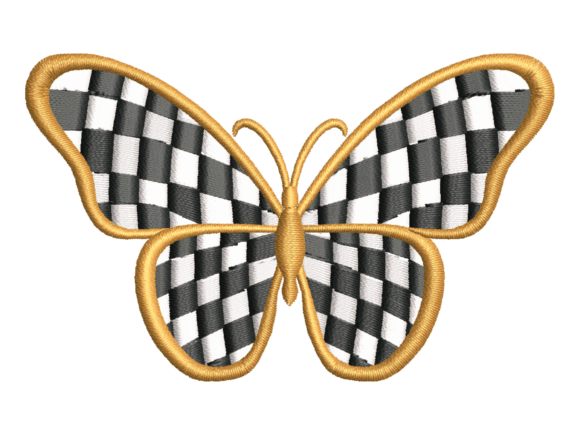
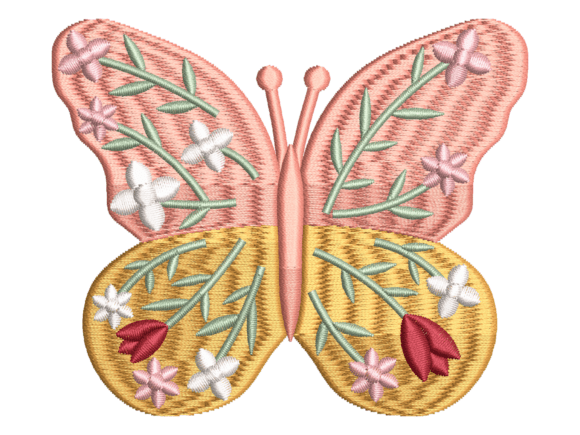
As an embroidery designer who’s stitched over 300 custom orders in the past year—from boutique aprons to nursery wall hangings—I approached Flower Garden Butterfly Embroidery with both curiosity and caution. Its name evokes softness: petals curling around wings, lightness in motion, a quiet kind of joy. Visually, it reads as a cohesive machine embroidery design—no jarring scale shifts or disconnected elements. The butterfly isn’t just centered; it’s *nestled*, surrounded by subtle floral sprigs that flow organically rather than repeating rigidly. That tells me the digitizer understood rhythm, not just placement.
This isn’t a bold, graphic Animals category staple—it’s quieter, more intimate. Think embroidered baby blankets, linen pillow covers for a sunroom, or the inside hem of a child’s dress. It leans into gentle storytelling rather than statement-making, which makes it unexpectedly versatile for handmade product lines where subtlety builds trust.
Real-World Performance: Where It Shines (and Where You’ll Want to Pause)
I tested Flower Garden Butterfly Embroidery across five fabric types: medium-weight cotton twill (tote bags), French terry (sweatshirts), woven linen (aprons), brushed poly-cotton (baby blankets), and structured cotton drill (caps). On flat, stable surfaces—like tote bags, pillow covers, and kitchen towels—it stitched cleanly every time. The satin stitch wing outlines held crisp definition, and the fill stitch petals retained texture without looking muddy.
On curved cap fronts? More delicate. The smallest floral elements—especially the tiny bud near the butterfly’s lower left wing—required re-hooping and a lightweight cutaway stabilizer to prevent puckering. Not a dealbreaker, but worth noting if you’re planning a line of embroidered caps for spring markets.
For sweatshirt embroidery, I used tear-away plus a light layer of topping on dark fabric—and the result was beautifully legible. No thread nesting, no skipped stitches. The design’s moderate stitch density kept bulk low, so the finished sweatshirt remained soft and drape-friendly. That’s critical when selling custom apparel to customers who prioritize comfort alongside charm.
Where caution is needed: stretchy knits and tightly woven dark fabrics. On ribbed cotton (think tea towels or lightweight tees), I found the outermost petal edges softened slightly unless I added a thin film topping. And on black twill, contrast between thread colors mattered more than expected—the pale yellow wing highlights nearly disappeared without testing thread against the base fabric first.
Commercial Use & Product Value: More Than Just a Pretty Stitch
As someone who lists embroidery-ready products on Etsy and supplies local boutiques, I pay close attention to how a digital embroidery file elevates the perceived value of the finished product. Flower Garden Butterfly Embroidery does this quietly but effectively. It doesn’t scream “handmade”—it *whispers* it. Customers notice the care in the layered petal fills, the slight variation in wing vein placement, the intentional spacing that avoids visual crowding. That translates directly to higher perceived quality, better product photography, and stronger customer engagement in listings.
For personalized gifts—like a baby blanket monogrammed with a name below the butterfly—it creates instant emotional resonance. The design feels intentional, not generic. Likewise, as part of a seasonal collection (think “Spring Garden” aprons or matching pillow + towel sets), it supports brand consistency without requiring full custom digitizing.
One underrated strength: its adaptability to printable mockups. Because the composition is balanced and centered, it drops seamlessly into lifestyle mockups—flat lays on wooden tables, draped over woven baskets, pinned to nursery walls. That saves hours when prepping Etsy banners or Instagram posts for new launches.
Practical Notes Every Designer Should Check Before Stitching
- Always test on scrap fabric—especially if using textured, dark, or stretchy materials. What looks balanced on screen may shift subtly under needle tension.
- Review thread color contrast before stitching on dark fabric. Light pastel threads can fade visually without a topping or careful hue selection.
- Confirm hoop size compatibility. While the design fits comfortably in a 4x4 hoop, check the actual dimensions listed on the Creative Fabrica product page—some variations may include alternate sizes.
- Use appropriate stabilizer: lightweight cutaway for knits, tear-away for stable wovens, and always pair with topping on napped or dark fabrics.
- Inspect small details post-stitch: the fine antennae and inner wing veins are easy to miss during quick checks. A magnifying lamp helps spot any minor looping or thread breaks.
- Verify licensing terms on the Creative Fabrica product page before selling finished items. This digital embroidery file is intended for use in handmade products—but commercial redistribution of the file itself is prohibited.
Final Thoughts for Sellers and Makers
Flower Garden Butterfly Embroidery won’t replace your go-to bold monogram or high-impact logo design—but it fills a meaningful gap. It’s the kind of embroidery file that turns a simple kitchen towel into a cherished hostess gift, or transforms a plain sweatshirt into a signature piece for a slow-fashion brand. It works best when paired with intention: thoughtful fabric choice, mindful thread selection, and respect for its delicate balance.
If you’re building a cohesive spring collection—or simply want a reliable, well-digitized Embroidery asset that performs consistently across projects—it earns a permanent spot in my design assets folder. Just remember: its quiet elegance depends on your attention to detail. Test. Adjust. Then let it bloom.